The best results often combine AI efficiency with human expertise, creating content that's accurate, clear and credible.
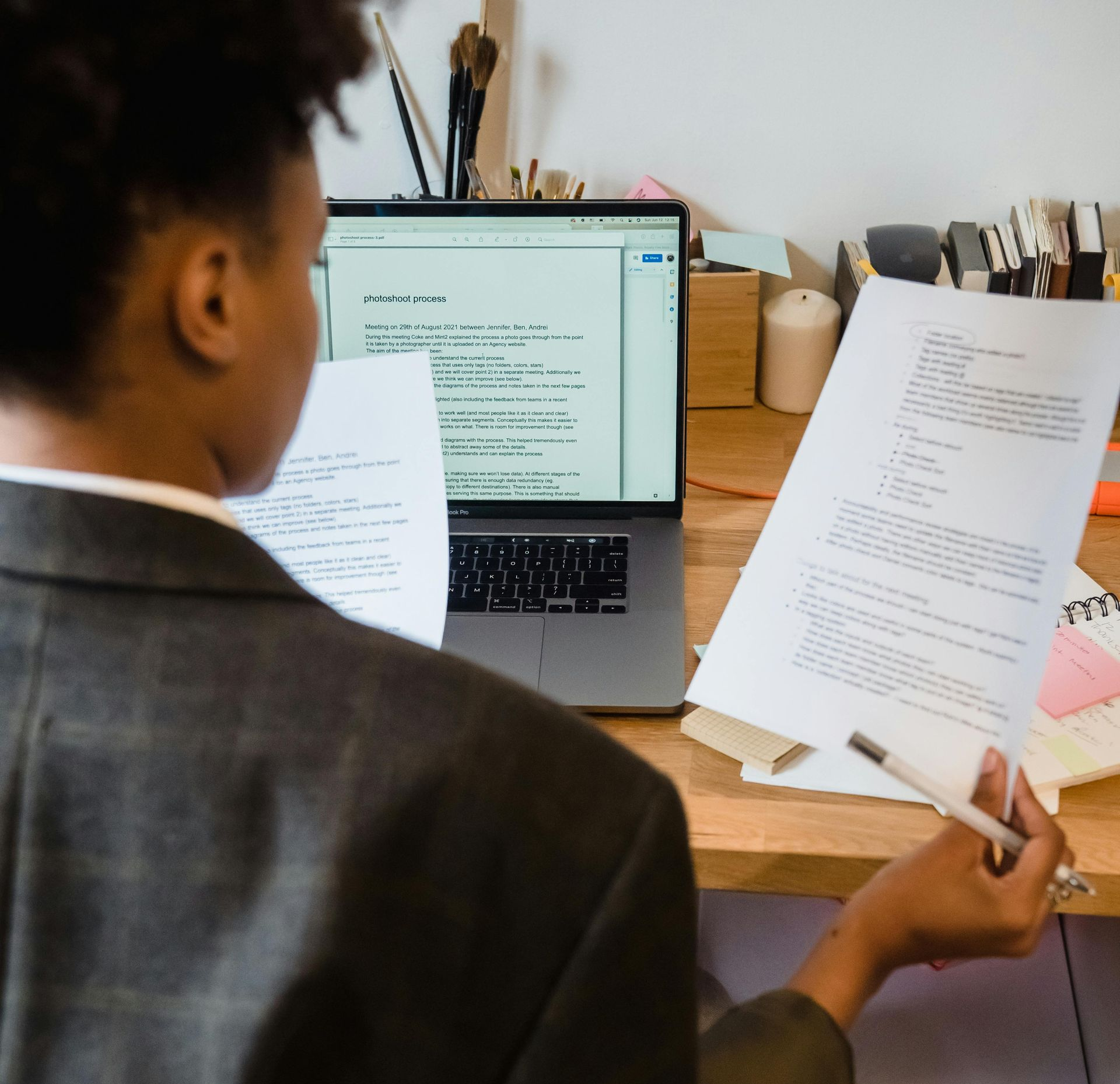
Artificial Intelligence has transformed the way organisations create content. Marketing teams, charities, schools and businesses are increasingly using tools such as ChatGPT, Copilot and Grammarly to draft reports, newsletters, web pages and social media content.
In many cases, these tools do a remarkably good job. So where does professional proofreading fit in?
What AI does well
AI can help you:
- generate first drafts quickly
- improve grammar and spelling
- suggest alternative wording
- summarise information
- create content outlines
- save time on routine writing tasks
For organisations working with limited budgets and stretched teams, these tools can be incredibly useful. I use AI myself for certain administrative and planning tasks, and I recognise the value it brings.
What AI often misses
The challenge is that publishing content isn't just about correct grammar. Before releasing a report, brochure, prospectus, newsletter or web page, organisations often need more than a spellcheck. They need confidence that the content is appropriate, consistent and genuinely ready for its audience.
This is where human editorial review still has an important role.
When reviewing AI-assisted content, I frequently encounter:
- repetitive phrases and sentence structures
- wording that sounds generic or robotic
- inconsistencies in terminology
- conflicting messages within the same document
- missing context that would be obvious to a human reader
- tone that doesn't quite match the organisation's voice
- awkward transitions between sections
None of these issues make the content unusable; however, they can affect credibility, readability and audience engagement.
Do you need a full proofread?
Not always.
Many organisations have already reviewed their content internally before sending it to me. Others have used AI tools to improve grammar and structure. In these situations, a traditional line-by-line proofreading service may be more than is required. That's why I've introduced a Professional Light Review service.
What is a Light Review?
A Light Review is designed for content that has already been checked internally or with AI tools.
Rather than carrying out a comprehensive editorial proofread, I focus on the areas where human judgement adds the most value:
- clarity and readability
- consistency of language
- tone and professionalism
- obvious errors
- awkward phrasing
- brand and audience fit
- publication readiness
Think of it as a final sense-check before your content goes live.
AI and human review work best together. I don't see AI as a replacement for professional editors, nor do I think organisations should avoid using AI.
In reality, the strongest results often come from combining the speed of AI with human experience and judgement. AI can help create the draft, a human reviewer can help ensure it sounds natural, appropriate and ready to represent your organisation.
Not sure which level of review you need?
Every project is different. If you're unsure whether your document needs a Light Review or Full Proofreading, simply send me a copy and I'll recommend the most appropriate and cost-effective option.
The goal isn't to sell you more editing than you need. It's to help you work with your timings and budget so that you can publish with confidence.
Used AI to create your content? Need a second pair of eyes before publishing? Get in touch for a free, no-obligation quotation and advice on the most suitable level of review for your project.
The Edit Desk