3 ways to integrate AI with your editorial standards
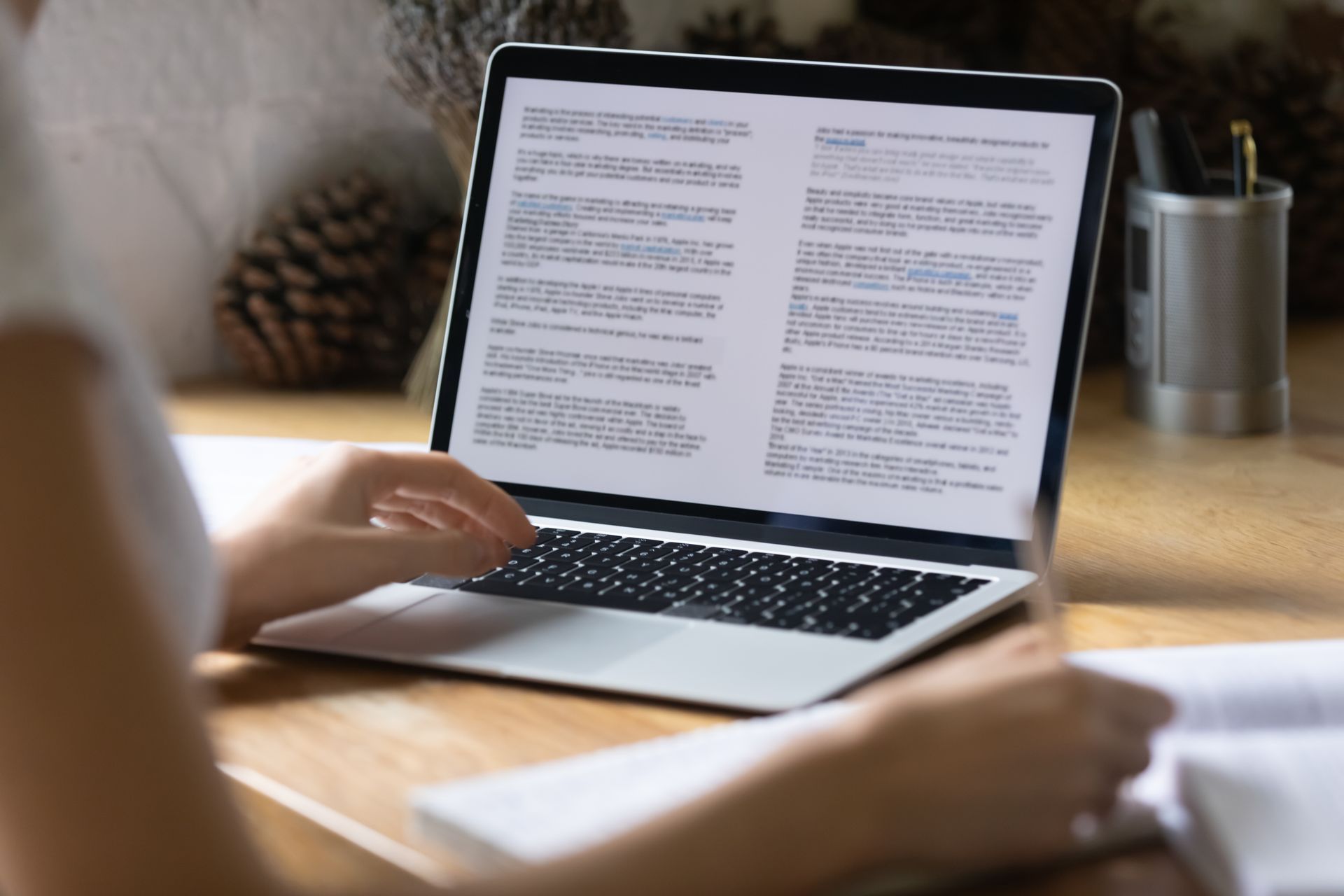
If you produce any kind of magazine, newsletter or journal for your organisation, you'll be familiar with seeking contributions from authors specialising in various topics. The usual process is to edit the publication so that it hangs together consistently while retaining each author's distinct style and message. However, some in-house Commissioning Editors I've spoken to have noticed that submissions are increasingly reading 'like AI'.


How to deal with this?


In November, I attended a course called Applying AI: Tools, Ethics and First Practical Steps, run by the Publishing Training Centre, which gave me key insights into how clients can manage author submissions and protect the editorial quality of their publications.


  • Firstly, is to get your own AI writing policies in place. Be as clear as you can about exactly what use of AI is acceptable in submissions. For example, you may permit the use of Grammarly to tidy up the grammar, but not allow deeper AI writing such as from ChatGPT or Claude. You may also want to state that authors provide a declaration with their submission, to confirm which digital tools have been used to create the article and to what extent.


  • Secondly, don't be afraid to ask your authors if they've used AI. Ultimately, the publication's reputation is at stake, so if you suspect AI was used to write the article, it's likely your readers will too. Some people take offense that you're questioning their writing (and integrity), and AI checker tools often get it wrong, but having a consistent process in place to ensure transparency is essential.


  • Finally, ensure human oversight on everything. It's unlikely you'll be able to escape the use of AI in submitted articles, if anything, it will gradually become 'the norm' and can be a benefit in terms of turnaround times, but ensuring the content is given independent review is vital. This will make sure your publication is in your style, your tone and speaks to your readers in an authentic and engaging way.


Want to chat about how I can help bring the life back into your articles?

Book a call in with me at a time to suit you.


Book a call

Kelly

The Edit Desk

H
By Ultimate Proof Ltd January 27, 2026
As the virtual face of your business, your website needs to fulfil two key priorities: to read correctly and be easy to navigate – but if you add the pressure to get your site up and live, it can be easy to push proofreading to the bottom of the endless to-do list. Relying on a busy colleague or the website designer to give it a 'once over' might help to a point, but still leaves a lot to chance. Proofreading websites is a specific type of service which covers not only typos but also things like broken links, SEO keywords, your tone of voice and overall user experience. So, if you're thinking of proofreading your website yourself but aren't sure where to start, here are four key areas to focus on: Spelling and grammar All written content on your website should be reviewed, from product descriptions to blog posts, ensuring it is clear, concise and error-free. Branding and tone Consistency is key. Ensure your messaging aligns with your brand identity across all pages, paying attention to the consistency of tone as well – whether it's formal, casual or informative. User experience Check for broken links, slow-loading or missing images, alt text, or any other technical issues that might hinder the user experience (some web designers have software that does this, but it's still worth checking). SEO optimisation Check your meta titles, meta descriptions and keyword usage, to ensure your content includes relevant keywords to enhance its visibility in search engine results. All these checks take time and care. AI can help to a point, but human oversight is essential. A professional proofreader can check these elements for you to ensure your website reflects the level of professionalism and attention to detail that your audience expects – giving you back precious time to focus on all the other tasks before you launch. A proofreader can also work directly from your CMS – saving your web designer amending time. I have proofread websites of all sizes – from a few pages and blogs to complex, multi-level websites. Even if your website has been live for a while, it might be worth getting a proofreader to have a fresh look to identify any problem areas. Find out more about my proofreading-services Email for a quote. Book a call with me in my calendar.
By Kelly Owen January 9, 2026
The winter term brings new proofing projects and plenty of hot drinks!
By Kelly Owen November 24, 2025
Top tips from a human editor on how AI can help you achieve engaging and accurate written communications
By Kelly Owen November 12, 2025
How do you feel when you read something that's been written by AI? Here's how it affected me.