How junior-level roles are the key to developing lifelong business skills
"You're actually quite clever, aren't you."


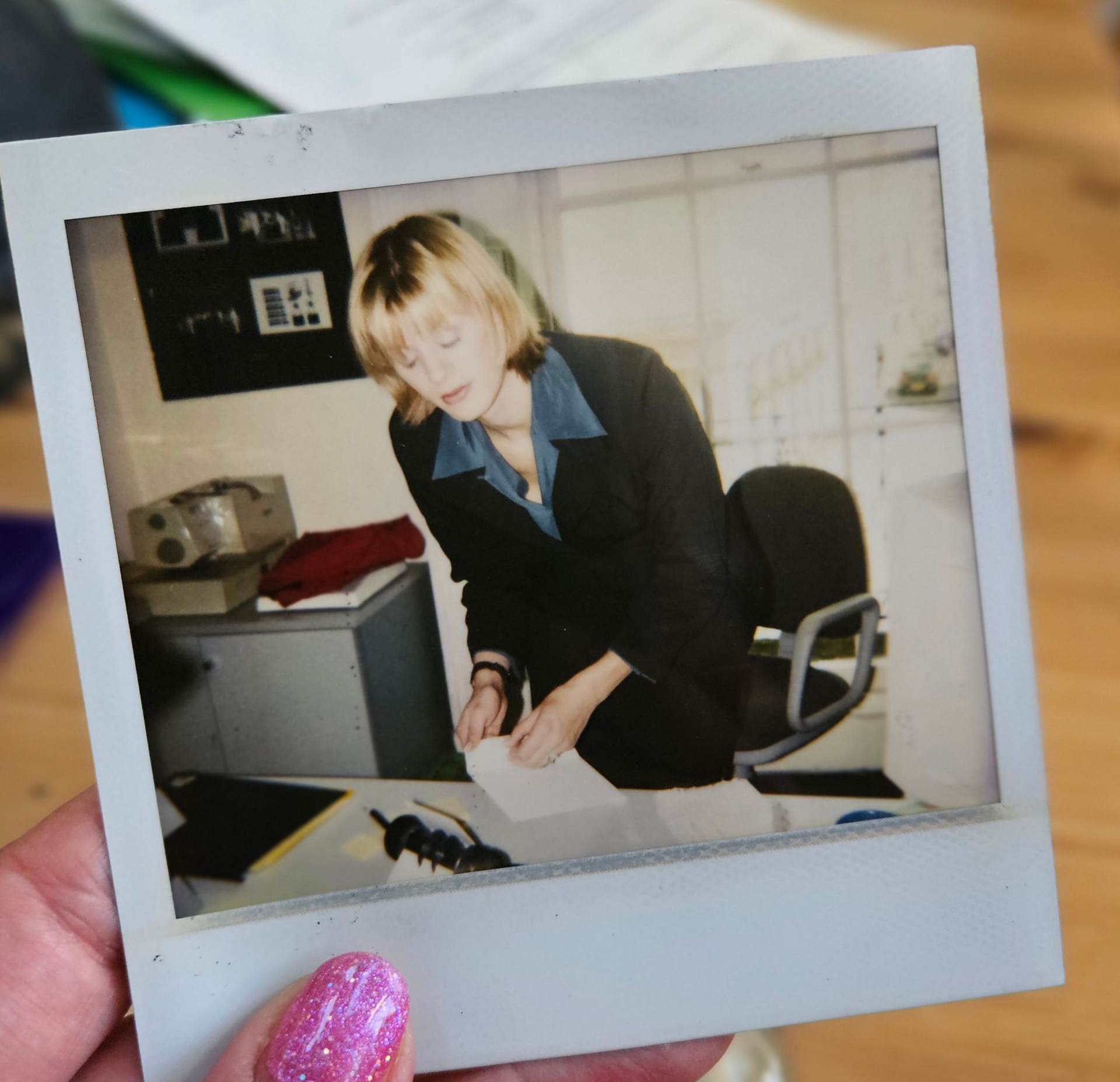
This throwaway,  supposed-to-be-a-compliment remark was said to me when I was 21, working as a Receptionist in a busy graphic design agency.


At the time, I was a bit surprised, mildly offended, but I brushed it off. Today, I laugh about it – workplaces are very different now.


But back then? I was young, tall, blonde… used to being seen as a bit of an object rather than someone with brains. After all, I'm fairly certain that was why I got the job in the first place!


I’m not easily offended. I genuinely enjoyed the banter of a mainly male environment and believe it helped shape me professionally and personally. I loved my time in that company. But that line stuck with me.


The comment came right after I’d been promoted – from a humble (hardworking, face-saving, client-flattering, relationship-building) Receptionist to Project Coordinator.


Suddenly, the team realised I had been noticed for more than my skirts. Bridget Jones, anyone?


I didn’t just prove myself in that role. I kept getting promoted – eventually becoming an Account and Publishing Manager.


And the skills I learned as a Receptionist? They’re the ones I credit with helping me run my own business today.


What being a Receptionist taught me about business


Receptionists are central to a company’s reputation, among other things:

  • they're the face and introductory voice of the business
  • they touch every part of operations
  • they help clients, colleagues and suppliers feel valued.


I also had some PA duties, which taught me timely responses, proper record-keeping, professionalism and how to be welcoming and hospitable.


Even though much of my work today is hidden behind a screen, I still run my business with that same professionalism I learned back then.


After 20+ years in business, I like to think I did alright.


How about you? Has something someone has said to you in your past spurred you on or helped shape how you do business? It's often these small, human interactions (positive or negative) that inspire us most.


The Edit Desk

H
By Ultimate Proof Ltd January 27, 2026
As the virtual face of your business, your website needs to fulfil two key priorities: to read correctly and be easy to navigate – but if you add the pressure to get your site up and live, it can be easy to push proofreading to the bottom of the endless to-do list. Relying on a busy colleague or the website designer to give it a 'once over' might help to a point, but still leaves a lot to chance. Proofreading websites is a specific type of service which covers not only typos but also things like broken links, SEO keywords, your tone of voice and overall user experience. So, if you're thinking of proofreading your website yourself but aren't sure where to start, here are four key areas to focus on: Spelling and grammar All written content on your website should be reviewed, from product descriptions to blog posts, ensuring it is clear, concise and error-free. Branding and tone Consistency is key. Ensure your messaging aligns with your brand identity across all pages, paying attention to the consistency of tone as well – whether it's formal, casual or informative. User experience Check for broken links, slow-loading or missing images, alt text, or any other technical issues that might hinder the user experience (some web designers have software that does this, but it's still worth checking). SEO optimisation Check your meta titles, meta descriptions and keyword usage, to ensure your content includes relevant keywords to enhance its visibility in search engine results. All these checks take time and care. AI can help to a point, but human oversight is essential. A professional proofreader can check these elements for you to ensure your website reflects the level of professionalism and attention to detail that your audience expects – giving you back precious time to focus on all the other tasks before you launch. A proofreader can also work directly from your CMS – saving your web designer amending time. I have proofread websites of all sizes – from a few pages and blogs to complex, multi-level websites. Even if your website has been live for a while, it might be worth getting a proofreader to have a fresh look to identify any problem areas. Find out more about my proofreading-services Email for a quote. Book a call with me in my calendar.
By Kelly Owen January 9, 2026
The winter term brings new proofing projects and plenty of hot drinks!
By Kelly Owen December 1, 2025
3 ways to integrate AI with your editorial standards
By Kelly Owen November 24, 2025
Top tips from a human editor on how AI can help you achieve engaging and accurate written communications